Diamonds
A diamond is not a savings account
The trade in Surat is real. The promise that your wedding stone will behave like an investment is not. A ledger, for once, is the kinder document.
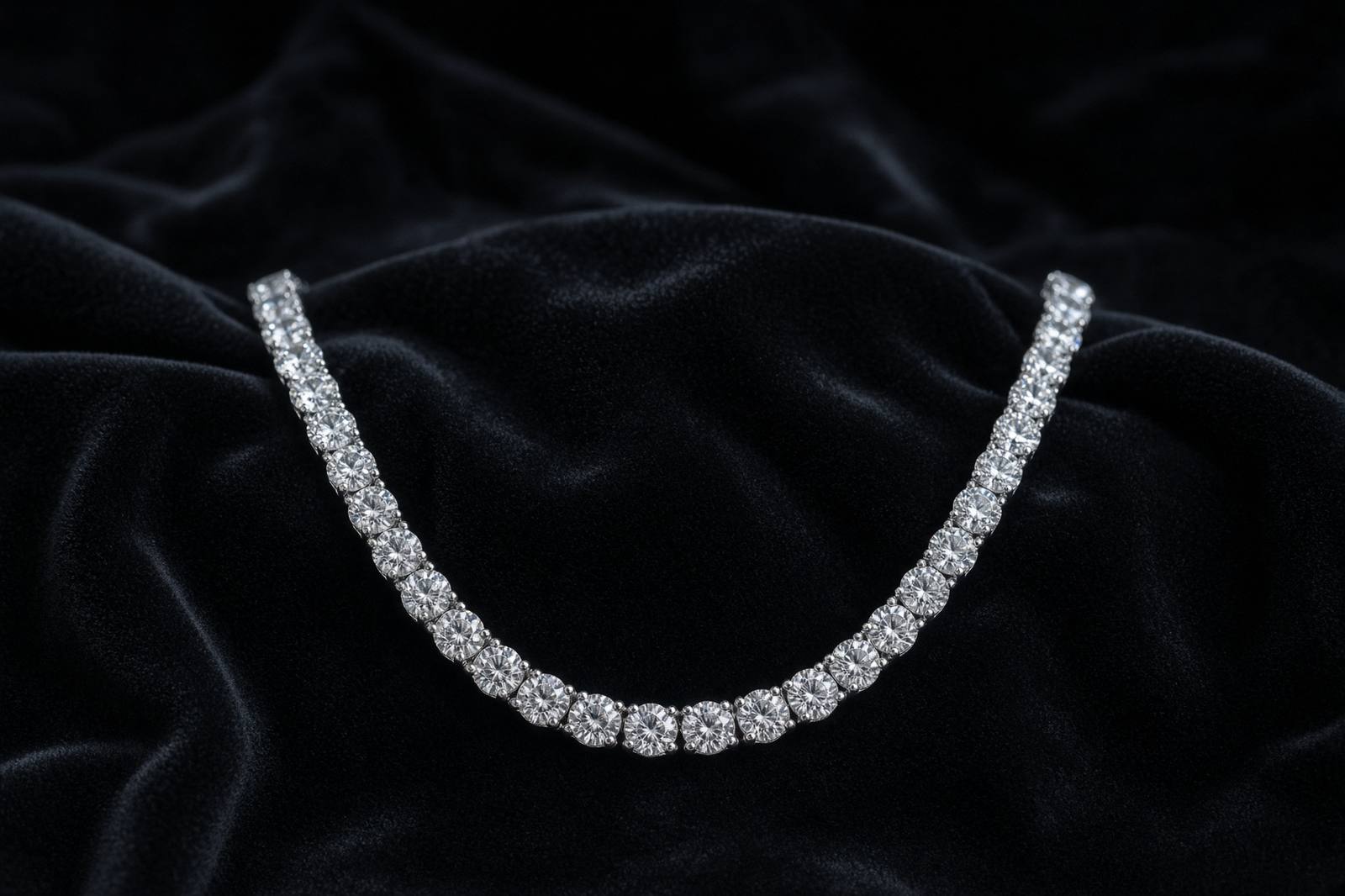
India sits in the middle of the diamond trade, which gives a certain kind of salesman an unfair advantage at a Mumbai dining table. He can gesture at Surat, at ‘the market’, at a cousin who exports, and make a jewel sound like a treasury bill with better manners. It is not. A polished stone in a setting is a retail object. You will sell it, if you sell it, to someone who does not care what your wedding cost, at a discount the trade already knows and you are about to learn. CAWDN is not against owning diamonds. We are against being told they are a plan.
The trade itself — rough, sight-holders, the cutting rooms — is a business for people who are in it every day, with credit lines and a tolerance for price swings that would upset a family balance sheet. If that is your business, you do not need this essay. If it is not, do not enter it through a drawing room. There is no special parcel waiting for a reader of this magazine that the trade has somehow overlooked. Anyone who tells you otherwise is selling the access we warned you about in the lifestyle section: the kind that can be advertised.
What a family may sensibly hold is jewellery it will wear or pass on, bought with an invoice, insured, and not required to fund a school fee. Mark it in the family book at cost, not at a hopeful appreciation. When a child marries, you will know what you spent and what you still have. That is a ledger. A screenshot of a price list is not. Readers in Antwerp and in Ramat Gan already treat the two documents as different species. Indian buyers of means should be at least as severe. The stone does not become more financial because the wedding was large.
The sentence to refuse
Refuse ‘it will only go up’, ‘the mines are closing’, and ‘this is how the families do it’ when the family in question is not in the room. Refuse any structure in which you cannot see who owns the stone, where it is, and what happens if the person minding it disappears. We will not itemise those structures. They are not clever. They are how people who already have money become people who have a dispute. If you want exposure to a business, buy a business you can read the accounts of, or hold the boring funds your advisers already understand. A diamond is a bad substitute for either.
Coloured stones and signed jewels are a collector’s market, closer to art than to bullion, with the same risks: taste, condition, the day you need a buyer. Some readers will do this well, with a dealer who says no. Most should not begin. The India edition’s rule is the rule we will repeat in every city we add: if you cannot describe the exit without using the seller’s adjectives, you do not have an exit. You have a story. Stories are not collateral.
What the book should show
Put the jewel in the column for things you love. The moment it migrates to the column for things that must pay you back, you have been had.
None of this is a recommendation to buy or sell a stone, a share, or anything else. It is a refusal. CAWDN’s wealth pages will keep refusing the category error that flatters a luxury purchase into an asset class because the buyer would like the purchase to feel prudent. Buy the necklace if you will wear it. Pay for it as a necklace. Sleep better than the person at the next table who thinks his cufflinks are a hedge. They are cufflinks. The hedge, if you need one, is a duller instrument, and it will not sparkle, which is how you know it might be real.