Art
A picture with a provenance, not a password
Collector’s art, bought in India or brought home to it, is a wall and a file. It is not a club you join on an app.
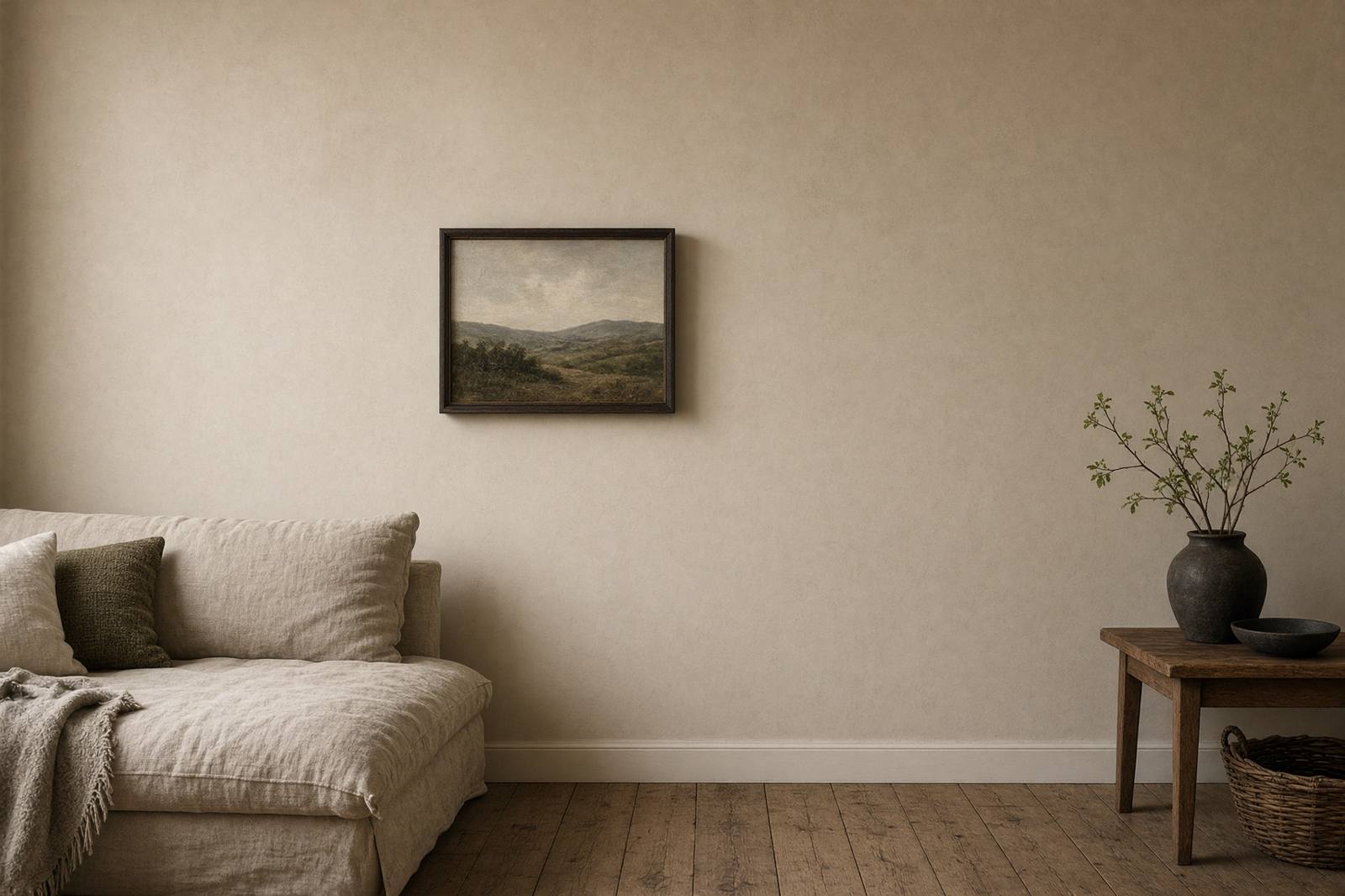
India Art Fair week is when the offers multiply: a booth, a dinner, a ‘private sale’ that is private only in the sense that the price is not on the wall. Some of what is shown is worth living with. A great deal of it is worth a photograph and nothing else. The collector CAWDN writes for already has walls, in Mumbai or Delhi or a house outside either, and a standard. The picture has to survive a morning when nobody important is coming. If it only works under fair lighting, with a caption, it is an exhibit. Exhibits belong to institutions. You are a household.
Provenance is the file: who owned it, where it was shown, what you paid, the condition report, the export paper if it came from somewhere else. A dealer who rushes you past the file is rushing you past the only part that will matter when you or your children try to sell, lend, or insure. Indian buyers have been, at times, too polite about this, as if asking for paper were an insult to the relationship. It is the relationship. The smile is optional. The invoice is not.
Buy from a gallery or a dealer who will say no, including no to you. Live with the work before you commit if the house will allow it. A week in the actual room is a better adviser than a fair. We have said this before about houses and watches, and it is more true of pictures, because a picture changes the room and the room changes the picture. If you must redesign the sofa, the lighting, and your personality around the purchase, you have bought an obligation. Obligations are not the same as collections.
Price, said once
Art can rise. It can also sit, unsold, through a decade in which you needed it to be liquid. Treat any promise otherwise as salesmanship. A collection built slowly, of work you have looked at more than once, by artists whose other pictures you have also seen, is the only version that deserves the word. A collection assembled in one season because a friend ‘got in early’ is a shopping trip. Shopping trips do not become estates. They become storage.
Lending to a museum is an honour and a responsibility, not a strategy. Do it when the work is asked for and the conditions are serious, not in order to have a line for your biography. Insurance, crates, the months the wall is empty: price those before you feel flattered. The empty wall should still be a wall you like. If it is not, the picture was holding the room up, and the room was never finished.
The desk’s limit
A picture you cannot hang, cannot explain, and cannot sell without the person who sold it to you is not a picture you own.
CAWDN will write about specific works when there is something to see, not when there is an allocation to chase. The India edition starts with that refusal because the season is loud. Collectors in Johannesburg and Lagos, when we reach them, will recognise the noise. It is the same noise. Ask for the file. Hang the picture. Decline the password. The wall is a better test than the booth, and it does not close on Sunday night.