Cars
The car that should be downstairs, not discussed
An expensive car in India is a tax, a driver, and a choice about whether you need to be seen arriving. Most of the time, you do not.
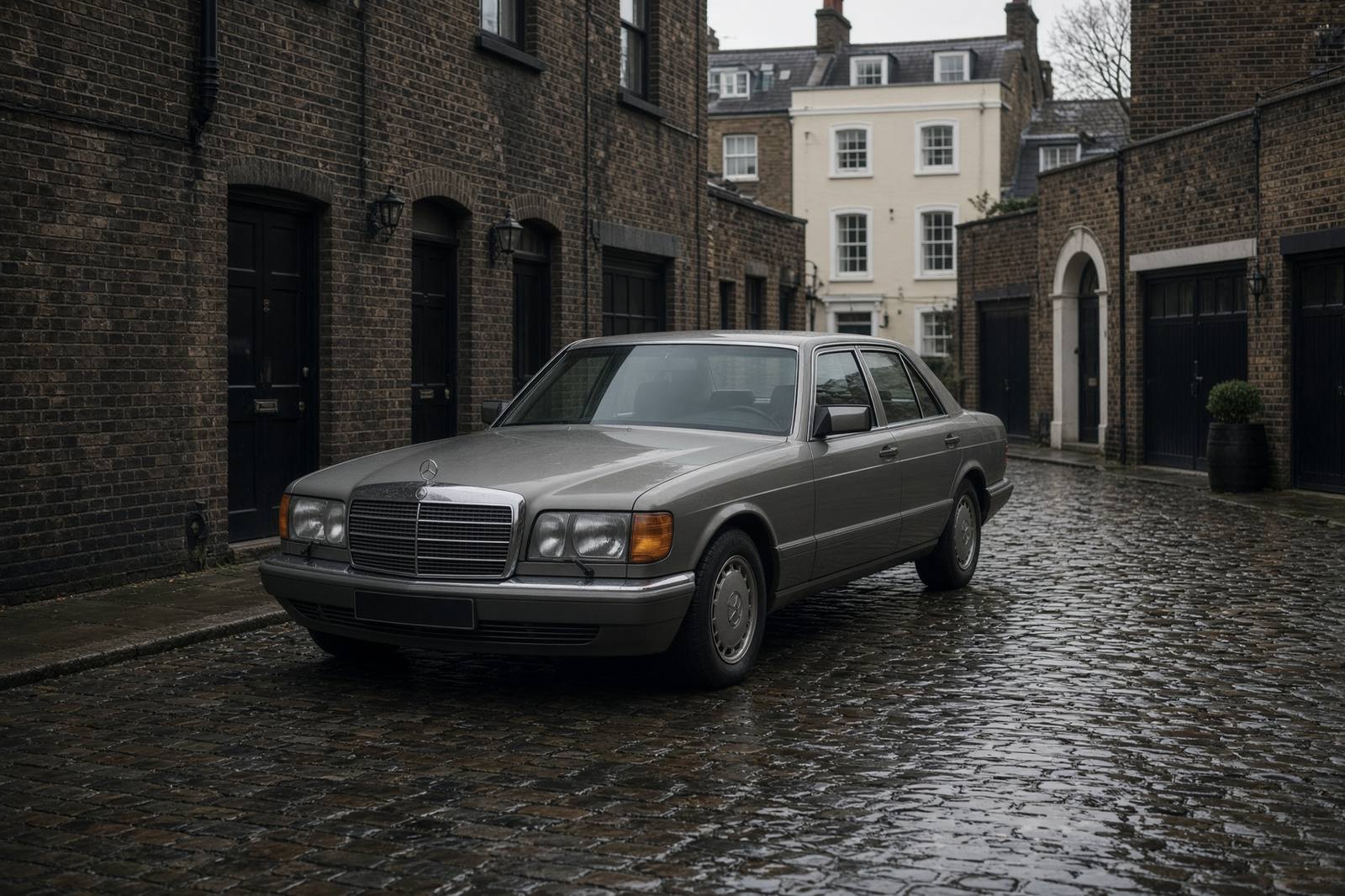
The honest sentence, which dealers prefer to delay, is that a serious car in India is expensive twice: once at the invoice, and once in the way the state prices the pleasure of importing it. That is not a riddle to be solved with a clever route through another port. CAWDN will not describe those routes. A reader with a real balance sheet does not need a car that cannot be explained to a lawyer. Buy what the official channel will stand behind, or keep what your family has already owned, cleanly, for years. Anything else is a story you will tell less comfortably than you expect.
What is worth owning is usually quieter than the picture in the group chat. A well-kept saloon that a driver can use every day. A sports car you will actually drive on the mornings the city allows it, serviced by a specialist who will refuse the foolish modifications. The cars that embarrass their owners are the ones bought for a single wedding season and then explained, at length, in every basement they enter. You may have the money. You do not have to spend it on a conversation.
Drivers are part of the object. A good one is a professional, paid properly, not a cousin doing a favour with your keys. He should know the car, the building, and when you do not wish to be early. Handing a new and fragile car to a rotation of strangers is how paint becomes a diary of other people’s carelessness. If you will not staff it, buy something that tolerates the world. That is also a luxury. It is the one people forget to price.
The garage, not the reveal
Mumbai buildings and Delhi houses are hard on cars: dust, the monsoon, the short trip that is never quite short. A cover, a rinse that is not a scratched ‘detail’, and a workshop that knows the model are the ownership. Ceramic coatings and theatrical wraps are optional. Being able to leave on time is not. The readers we will have in Jakarta and Lagos live in cities that punish paint in their own ways. The principle is the same. The car is downstairs so that you can go. It is not downstairs so that the building can applaud.
Classic cars are a separate disease, and a legitimate one if you accept the bills. A car that needs a specialist every quarter is a hobby with a registration. Keep the file in the boot, drive it, and do not restore it into a trailer queen unless you want a museum piece. Most of our readers do not. They want to arrive at the club and have the conversation be about the game. Choose the car that allows that. It will not be the one your nephew sends you a video of.
A line we will not cross
A car you cannot show a lawyer is not a bargain. It is a liability with leather seats.
There will be no guides in CAWDN to under-invoicing, to friendly ports, or to plates that are not quite yours. The India edition is for people who intend to keep what they buy. When we write about cars in Nigeria, South Africa, Indonesia or Bangladesh, the taxes will differ and the sentence will not. Pay the real price or do not play. Then have the car downstairs, fuelled, quiet, and unworthy of a speech. That is the expensive version. It is also the only one that ages well.