Clubs
The room you are asked into
A members’ room is not a lobby with a better sofa. It is a filter, and the filter is the point.
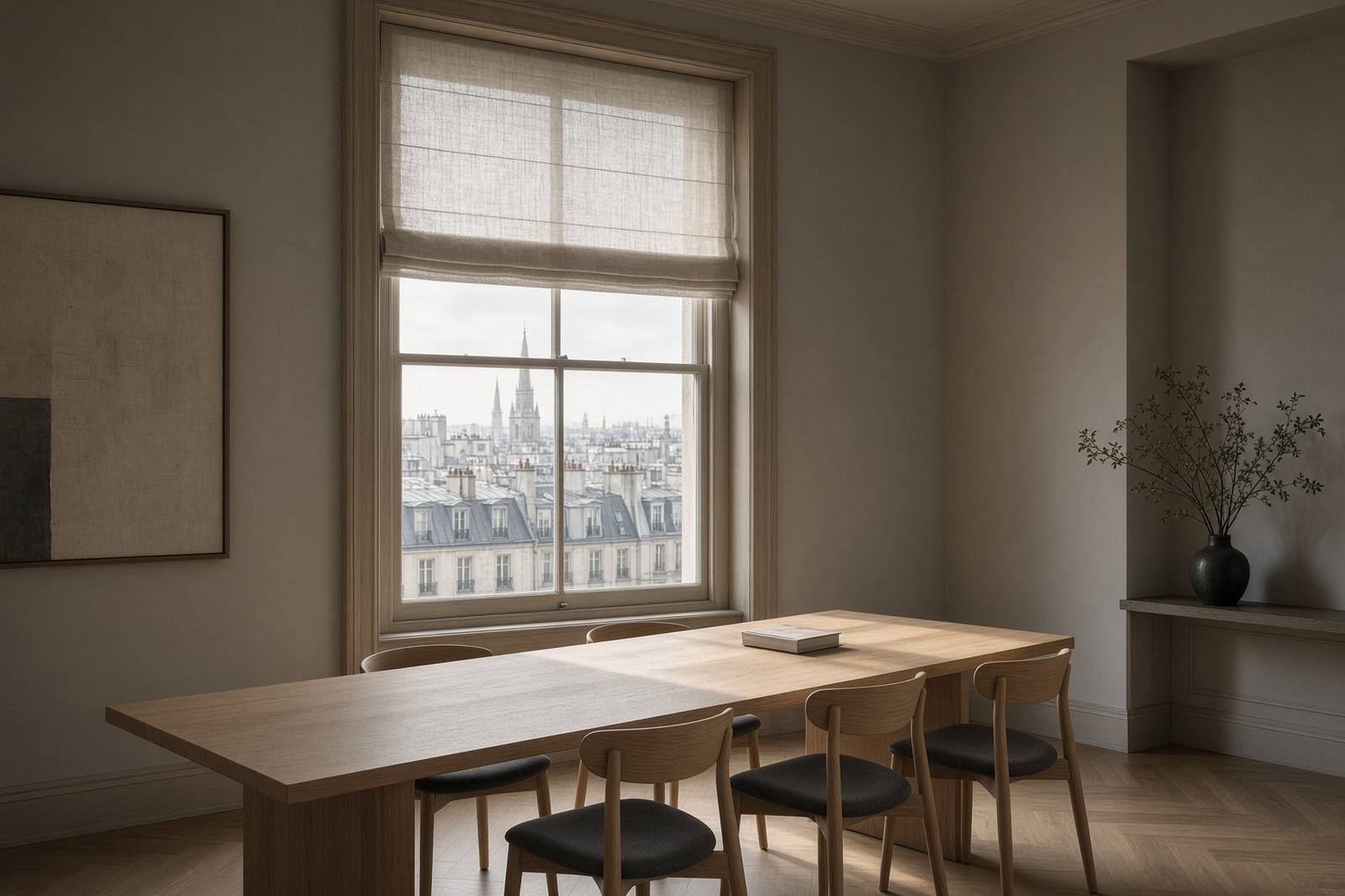
Mumbai and Delhi are full of rooms that rent the feeling of a club by the afternoon: a day pass, a photographer, a menu with too many adjectives. They are fine places to hold a meeting. They are not clubs. A club has members who can be removed, a list that moves slowly, and a dining room that is better on a dull Tuesday than on the night a sponsor has bought the flowers. CAWDN is interested in the second kind, because our reader is already bored of the first.
The test is who else is there when nothing is happening. If the room empties the moment the event ends, you have attended an event. If the same four people are arguing about a committee paper on a Wednesday, you are near the real thing. In India those rooms still exist, attached to golf, to sailing, to the older professional guilds, and to one or two houses that never felt the need to explain themselves on a website. Use them. Do not livestream them. The livestream is how a room becomes a set.
Guests are a privilege with a number on it. Most serious clubs will tell you how many times a year a member may bring a stranger. Treat the number as a budget, not a target. Spend it on the person who will still be in your life in five years: a partner, a child who has started to play, a visitor from Cape Town or Singapore whom you actually want the room to meet. Do not spend it on a prospect you are trying to impress. The room can tell, and the prospect can tell, and you will have used a scarce thing on a meeting that belonged in an office.
Money is not the awkward part
The entrance fee is supposed to be large. That is not a scandal and it is not a boast. It keeps the club from having to earn its keep by selling the room back to you every month as a ticketed evening. Ask what the fee is in the secretary’s office, not at the table. Ask what the running debenture or the wait actually is. In several Indian clubs the wait is the real price, and people who try to jump it by noise rather than by years of being a good guest are the reason the wait exists. Pay it in time. There is no cleverness here that we respect.
Dress, in these rooms, is a solved problem that some guests insist on reopening. Follow the card you were sent. If you were not sent one, look at the member who brought you and do not outshine him. Jewellery that needs an explanation, a watch that needs a speech, a story about the car downstairs: leave them in the car. The room has already decided you are allowed to be there. You do not have to reapply with your wrist.
Why this is the India edition’s subject
A club you must explain to strangers has become a brand. Brands are for selling. Clubs are for staying.
We start in India because this is where CAWDN is being read first, and because the confusion between a club and a venue is especially well funded here at the moment. The same confusion is already funded in Lagos, in Johannesburg, in Jakarta, in Dhaka. The correction does not change. Join what you will use. Bring people you can vouch for. Refuse the day pass that flatters you. The room you are asked into is worth more than the room you can buy this afternoon, and the difference is visible to everyone already sitting down.